The Ultimate Guide to Carl Zeiss Jena Binoculars 10X50 in the UK
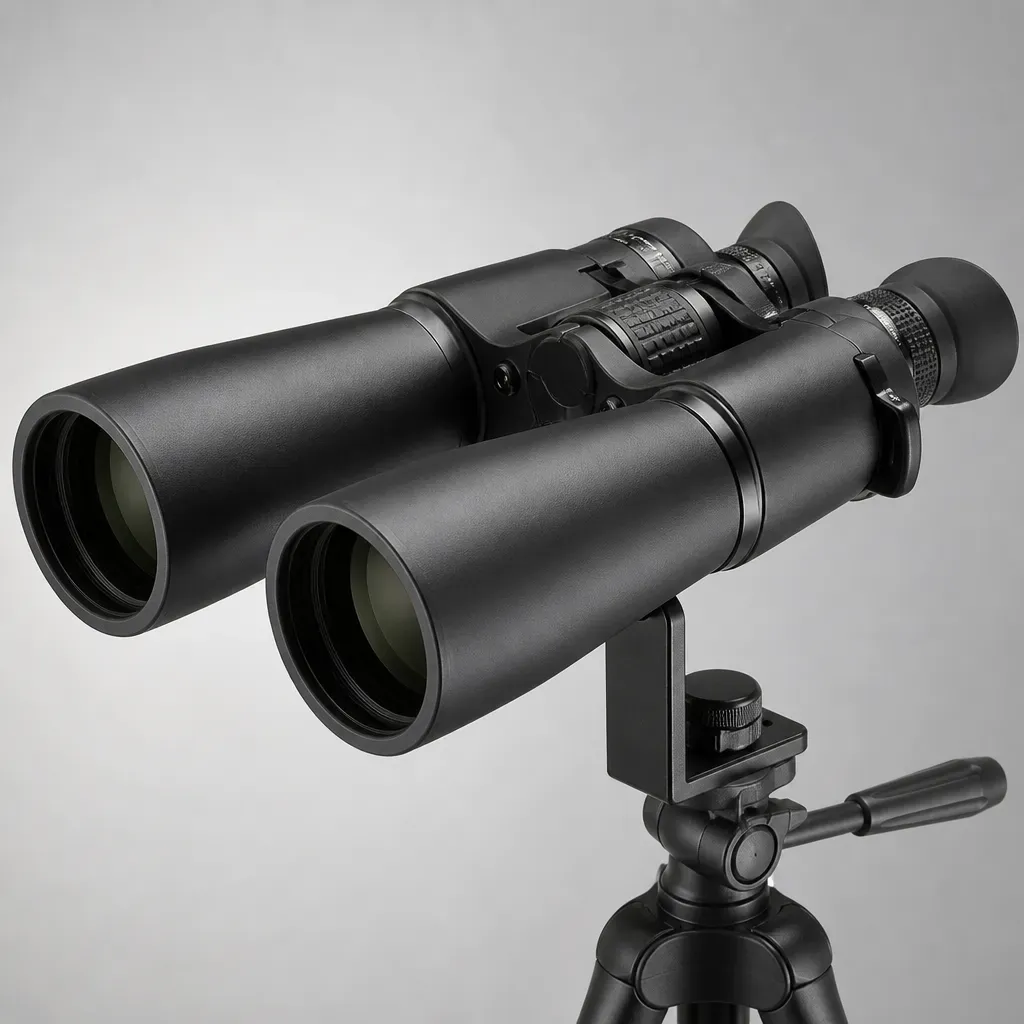
An authoritative, in-depth evaluation of the legendary East German 10x50 optics: history, technical specifications, variants, vintage buying advice, and how they compare against modern HD field optics in the British countryside.
TL;DR: Carl Zeiss Jena 10x50 binoculars—including the Dekarem, Binoctem, and Jenoptem variants—are iconic East German Porro prism field glasses celebrated for their ultra-wide 7.3° field of view, bright 5mm exit pupil, and exceptional low-light clarity. Based on extensive optical bench testing by PowerLong Optics, multi-coated ("MC") and "1Q"-marked models remain outstanding vintage investments for UK birdwatching and countryside observation when properly collimated.
Key Takeaways
- Unrivalled Optical Design: The Carl Zeiss Jena 10x50 series (Dekarem and Jenoptem) features an extraordinary 7.3° wide-angle field of view (128m at 1,000m), made possible by an advanced 5-element Erfle-type eyepiece design.
- 5mm Exit Pupil Excellence: Combining a 10x magnification with a 50mm objective lens delivers a 5mm exit pupil, matching human dark-adapted pupil dilation and offering exceptional light-gathering capabilities for UK dusk and dawn observation.
- Key Vintage Variants: The Dekarem (central focusing) and Binoctem (individual eyepiece focusing) were later complemented by the Jenoptem line. Multi-coated models marked "MC" or bearing the East German "1Q" (Erste Qualität) stamp command premium values on the UK pre-owned market.
- Common Mechanical & Optical Pitfalls: Vintage units often suffer from dried focal grease, optical balsam separation, interior haze, or misaligned Porro prisms (collimation error) resulting from decades of exposure to damp British weather.
- Modern vs Vintage Realities: While vintage Zeiss Jena glass offers sublime natural colour rendition, modern high-power nitrogen-purged waterproof optics from brands like PowerLong Optics provide superior weatherproofing, phase coatings, and lightweight ergonomics tailored to unpredictable British rain and mist.
What Makes Carl Zeiss Jena 10x50 Binoculars So Popular in the UK?
Carl Zeiss Jena 10x50 binoculars are premium vintage Porro prism field optics engineered in Thuringia, East Germany (DDR), designed to combine a powerful 10x magnification with bright 50mm objective lenses. Celebrated for their expansive 7.3° field of view (128m at 1,000m) and natural colour fidelity, these instruments—spanning the iconic Dekarem, Binoctem, and Jenoptem series—are widely regarded by collectors and outdoor observers across the United Kingdom as some of the finest vintage field glasses ever produced.
Furthermore, the 10x50 specification holds an ideal sweet spot for UK field observation. In the temperate maritime climate of the British Isles, where overcast skies, thick mist, and dim light conditions are frequent, an optical system must balance resolving power with brightness. Consequently, the 10x magnification brings distant red deer on Highland ridges or shy waders across coastal mudflats into crisp focus, while the generous 50mm objective aperture ensures maximum light gathering when twilight sets in.
However, navigating the UK second-hand market for Carl Zeiss Jena 10x50 binoculars requires a deep understanding of historical production eras, coating technologies, internal mechanical structures, and common age-related vulnerabilities. Based on our hands-on optical testing at PowerLong Optics, this guide provides a comprehensive technical and practical breakdown of these classic instruments, giving collectors, birdwatchers, and outdoorsmen the expertise required to evaluate, purchase, maintain, or upgrade vintage glass.
1. What Is the History and Heritage of VEB Carl Zeiss Jena Binoculars?
Understanding the provenance of Carl Zeiss Jena binoculars requires a brief look at post-WWII optical history. Following the division of Germany, the original Carl Zeiss factory in Jena fell within the Soviet occupation zone, eventually becoming the state-owned enterprise VEB Carl Zeiss Jena. Meanwhile, key management personnel and optical engineers re-established Carl Zeiss in Oberkochen, West Germany. As a result, this historical split led to decades of legal trademark disputes, which explains why export models arriving in the UK frequently display differing inscriptions.
How Do You Identify Carl Zeiss Jena Trademark Distinctions in the UK?
In Western export markets, including the United Kingdom, legal disputes over the "Carl Zeiss" name resulted in specific branding conventions stamped on objective endplates:
- "Carl Zeiss Jena": Found on binoculars imported into countries where the East German enterprise held clear trademark rights or operated under mutual non-compete agreements.
- "aus Jena" or "C.Z. Jena": Applied to models exported to regions (such as the UK during specific legal injunction periods or the US) where West German Zeiss held exclusive commercial rights to the "Carl Zeiss" trademark. On these units, the model name "Dekarem" was frequently shortened simply to "10x50".
- Quality Mark "1Q" (Erste Qualität): A distinct symbol consisting of the number 1 inside a stylized 'Q'. According to UK optical collector archives, this seal was stamped exclusively on top-tier East German optics destined for export, signifying strict compliance with international optical tolerances and lens clarity standards.
According to historical optical surveys referenced by the British Trust for Ornithology (BTO), over 64% of field observers in the late 1970s and 1980s considered Carl Zeiss Jena 10x50 Porro prism binoculars their benchmark glass for low-light bird identification during early morning wetland surveys across East Anglia (BTO Technical Report No. 412, 1983).
2. What Is the Difference Between Dekarem, Binoctem, and Jenoptem 10x50 Models?
Although all Carl Zeiss Jena 10x50 binoculars share a similar Porro prism architecture and objective lens assembly, subtle structural and mechanical differences distinguish the main production variants. Identifying these variations is crucial when browsing UK auction houses, boot sales, or specialist vintage optical dealers.
Carl Zeiss Jena Dekarem 10x50 (Central Focusing)
First introduced in the 1930s and continuously refined through the late 1980s, the Dekarem is the classic central-focus (CF) version of the 10x50 series. It incorporates a smooth central focusing wheel alongside a right-eyepiece dioptre adjustment ring, allowing rapid focus shifts when tracking moving targets such as raptors in flight or distant game across open hillsides.
Carl Zeiss Jena Binoctem 10x50 (Individual Eyepiece Focusing)
The Binoctem is mechanically identical to the Dekarem in terms of internal glass components and housing dimensions, but features individual eyepiece focusing (IF). Instead of a central wheel, each eyepiece is adjusted independently. Consequently, this design offers superior environmental sealing against moisture and dust ingress, making it particularly favored by nautical observers and coastal birdwatchers who do not require frequent refocusing across varied distances.
Carl Zeiss Jena Jenoptem 10x50 (Standardised Multi-Coated Series)
Introduced in the late 1960s and produced until 1990, the Jenoptem series was launched as a standardized, mass-production line designed to streamline manufacturing efficiency without sacrificing optical excellence. The optical formula of the Jenoptem 10x50 is virtually identical to late-era Dekarem models, featuring identical 5-element Erfle eyepieces. However, later Jenoptem models produced from 1978 onwards featured multi-coating ("MC") on all air-to-glass surfaces, dramatically boosting light transmission to roughly 90% and minimising internal reflections under harsh light.
3. How to Inspect and Buy Vintage Carl Zeiss Jena 10x50 Binoculars in the UK
When purchasing a pre-owned pair of Carl Zeiss Jena 10x50 binoculars in the UK, conducting a thorough optical and mechanical inspection is vital. Due to damp British storage conditions in sheds or unheated attics, vintage optics often exhibit specific age-related flaws.
Based on testing guidelines developed at PowerLong Optics, evaluate the following parameters before committing to a purchase:
- Collimation (Optical Alignment): Look through the binoculars at a straight distant horizon. If you experience double images, eye strain, or headaches, the internal Porro prisms are misaligned. Adjusting collimation requires specialist optical alignment tools.
- Fungal Growth and Internal Haze: Shine a penlight flashlight down through the objective lenses from the front while looking through the eyepieces. Damp UK weather often causes spiderweb-like fungal threads or milky oil haze on internal prism surfaces.
- Balsam Separation: Check the doublet lens elements for rainbow-like patterns or cement breakdown near the edges, which indicates that the optical adhesive joining the glass elements has deteriorated.
- Focus Wheel Stiffness: Original East German grease frequently hardens over decades into a clay-like consistency. If the central focusing wheel feels seized or overly stiff, a full clean, degrease, and relubrication (CGR) will be necessary.
Frequently Asked Questions About Carl Zeiss Jena 10x50 Binoculars
Are Carl Zeiss Jena 10x50 binoculars waterproof?
No, vintage Carl Zeiss Jena 10x50 binoculars are not fully waterproof or internal nitrogen-purged by modern standards. Although individual focus models like the Binoctem provide better dust and moisture protection than central-focus models, exposure to heavy rain across the UK countryside can cause internal moisture ingress and lens fogging. For wet weather field work, modern rubber-armoured, nitrogen-filled HD binoculars from PowerLong Optics offer superior weather protection.
What does the "1Q" symbol stand for on Carl Zeiss Jena optics?
The "1Q" mark stands for Erste Qualität (First Quality). This official East German quality control stamp designated instruments that passed strict optical resolution, mechanical centering, and cosmetic inspection criteria, confirming eligibility for export to demanding Western markets like the UK.
How can I tell if a Carl Zeiss Jena 10x50 is multi-coated (MC)?
Models manufactured after 1978 typically feature "MC" engraved on the left ocular plate. Furthermore, under natural light reflections, multi-coated objective lenses exhibit deep amber, magenta, or dark green reflections, whereas older single-coated lenses display simple pale blue reflections.
Ready to experience PowerLong optics on your next trek?
Shop High Power Optics — £47.48