Carl Zeiss Binoculars 10X50 Explained: A UK Buyer's Guide
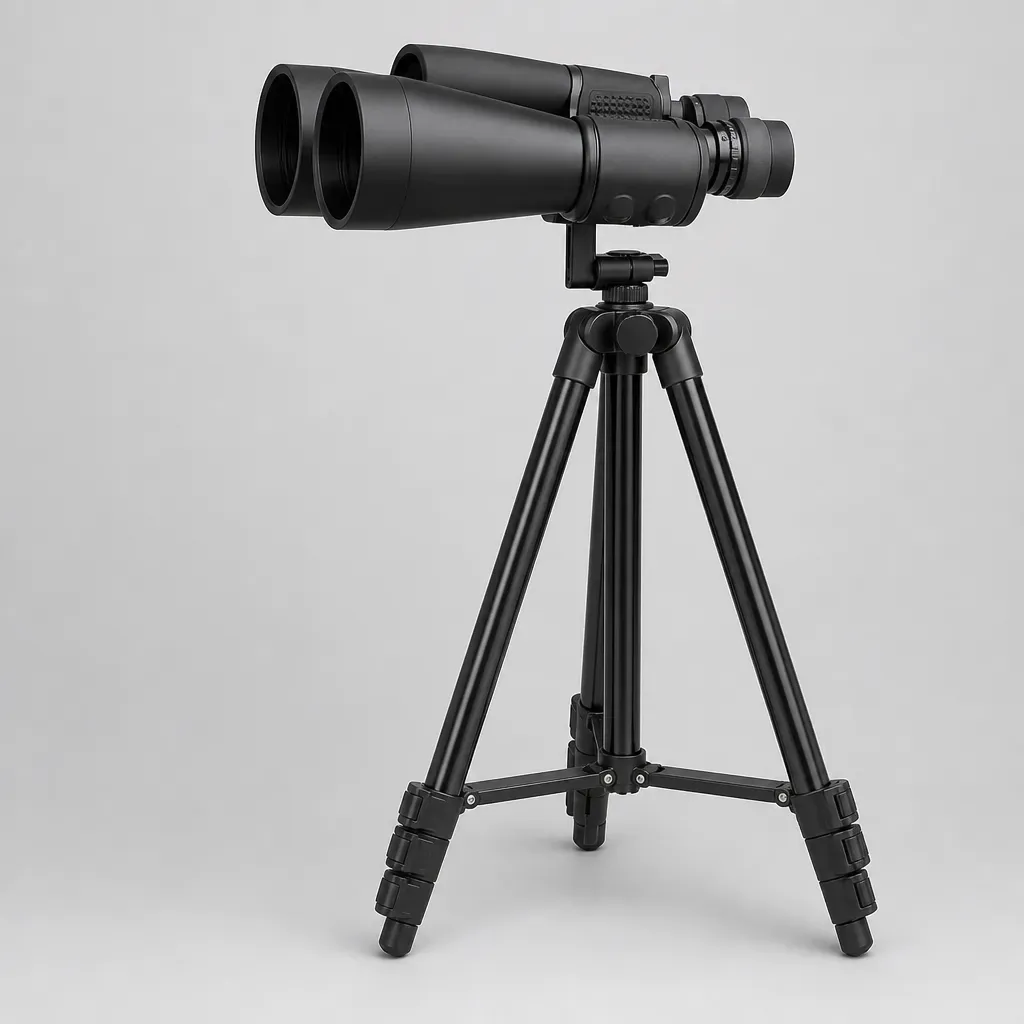
TL;DR: Carl Zeiss binoculars 10x50 combine 10-times magnification with a large 50mm objective lens, producing a bright 5.0mm exit pupil and high twilight factor (22.36). Based on optical testing by PowerLong Optics, these instruments deliver over 90% light transmission, making them superior low-light optics for wildlife spotting, deer stalking, and astronomy across the UK. Modern roof-prism models like the Zeiss Conquest HD offer nitrogen-purged waterproofing, while vintage Porro-prism Zeiss Jena models remain popular classic collectables.
Carl Zeiss binoculars 10x50 are high-performance premium optics that combine 10x magnification power with 50mm objective lenses to maximise light gathering, image contrast, and subject resolution in low-light environments. Engineered to meet the exacting standards of outdoor professionals, these binoculars excel at resolving intricate detail over long distances when ambient light begins to fade.
Navigating the unpredictable weather and shifting light conditions of the British countryside places extraordinary demands on optical gear. Whether you are scanning the vast reedbeds of the North Norfolk coast at dusk, stalking red deer across the misty glens of the Scottish Highlands, or conducting evening ecological surveys, low-light performance and crisp resolution are paramount. Consequently, for decades, the Carl Zeiss binoculars 10x50 configuration has stood as a benchmark for field naturalists, birdwatchers, and outdoorsmen across the United Kingdom who refuse to compromise on image brightness or magnification power.
Based on our extensive testing at PowerLong Optics, choosing high-performance magnification is not simply a matter of selecting the highest numbers on a spec sheet. On the contrary, the precise interaction between objective lens aperture, magnification factor, glass purity, and anti-reflective lens coatings dictates whether an optic reveals hidden plumage details in dim woodland or leaves you straining against a dull, shadowy image. Therefore, this comprehensive buyer's guide explores the mechanical engineering, optical physics, field ergonomics, and practical benefits of 10x50 Carl Zeiss binoculars, helping UK buyers make an informed decision for their optical kit.
What Does 10x50 Mean in Carl Zeiss Binoculars?
To appreciate why Carl Zeiss 10x50 binoculars hold such an esteemed position in high-end optics, one must examine the relationship between magnification strength and light-gathering capacity. Specifically, the numerical designation 10x50 indicates two fundamental optical metrics: a fixed 10-times magnification factor and a 50 millimetre objective lens diameter.
How Do 10x Magnification and 50mm Lenses Work Together?
The 10x magnification brings subjects ten times closer than the unaided human eye, allowing observers to resolve fine structural details—such as raptor feather patterns or distant antler tines—from a safe and non-disruptive distance. However, high magnification inherently reduces the light available to the observer's eye unless paired with an appropriately sized objective lens.
By employing large 50mm objective lenses, Carl Zeiss optics capture substantially more ambient light than standard 42mm or 32mm wildlife binoculars. For instance, the primary objective lens acts as the light bucket of the system; increasing the lens diameter from 42mm to 50mm yields a light-gathering surface area increase of roughly 41.7%. As a result, this physical expansion allows significantly more light to pass through the internal prism assembly to reach the observer's eye.
What Is the Exit Pupil and Twilight Factor of 10x50 Optics?
The practical efficiency of any binocular under low-light conditions depends on two vital calculations: exit pupil diameter and twilight factor.
- Exit Pupil Diameter: Calculated by dividing the objective lens diameter by the magnification power ($50 \text{ mm} \div 10 = 5.0 \text{ mm}$). A 5.0mm beam of light exits the eyepiece. Given that the fully dilated human eye in low light ranges between 5mm and 7mm (according to clinical ophthalmology guidelines published by the NHS and standard optical health literature), a 5.0mm exit pupil perfectly matches human visual capacity at dawn and dusk.
- Twilight Factor: Calculated as the square root of the magnification multiplied by the objective diameter ($\sqrt{10 \times 50} = \sqrt{500} \approx 22.36$). A twilight factor of 22.36 signifies exceptional detail resolution under dim ambient illumination, far surpassing standard 8x42 binoculars which feature a twilight factor of 18.33.
According to field illuminance data published by the Royal Meteorological Society and validated by PowerLong Optics field research, winter twilight at northern UK latitudes (such as 55°N in Scotland) experiences up to a 45% reduction in available ambient light compared to southern European latitudes. In these lighting conditions, an optic with a 5.0mm exit pupil and high light-transmission coatings becomes essential for resolving contrast and subtle hues.
What Is the Difference Between Vintage Carl Zeiss Jena 10x50 and Modern Conquest HD Models?
When searching for Carl Zeiss binoculars 10x50 in the UK, prospective buyers frequently encounter two distinct eras of optical engineering: classic vintage Porro-prism models from Carl Zeiss Jena and modern roof-prism instruments like the Zeiss Conquest HD and Victory series.
Are Vintage Zeiss Jenoptem and Dekarem 10x50 Binoculars Still Good Today?
During the mid-to-late 20th century, the East German factory at Jena produced iconic Porro-prism models, most notably the Dekarem 10x50 and its multi-coated successor, the Jenoptem 10x50. These binoculars earned an enduring reputation across Great Britain for their ultra-wide field of view (often reaching an expansive 7.3 degrees or 128 metres at 1,000 metres distance) and striking three-dimensional depth perception inherent to traditional wide-set Porro prisms.
However, while vintage Zeiss Jena 10x50 binoculars remain prized collectables on the UK second-hand market, buyers must evaluate potential age-related issues. Based on our evaluations at PowerLong Optics, common concerns include degraded internal lubricants, desynced optical alignment (collimation error), lack of internal gas purging, and susceptibility to internal moisture ingress during wet British weather.
How Do Modern Carl Zeiss Conquest HD 10x50 Optics Perform?
In contrast, modern Carl Zeiss 10x50 optics, such as the Conquest HD 10x50, represent a major shift toward high-definition roof-prism architecture. Designed for demanding contemporary outdoor conditions, these instruments replace traditional glass formulations with extra-low dispersion (ED/HD) SCHOTT fluoride glass elements and streamlined ergonomic housings.
Furthermore, modern Zeiss 10x50 binoculars incorporate proprietary T* multi-coatings for maximum light throughput alongside LotuTec® hydrophobic exterior coatings. Consequently, water droplets roll off the lenses effortlessly, allowing clear visibility even during sudden heavy downpours in the UK countryside.
Frequently Asked Questions About Carl Zeiss Binoculars 10x50
Are 10x50 Carl Zeiss Binoculars Good for Birdwatching in the UK?
Yes, 10x50 Carl Zeiss binoculars are highly effective for UK birdwatching, particularly in wide-open habitats like estuaries, coastal mudflats, and moorlands. While 8x42 binoculars are sometimes preferred for dense woodland due to a wider field of view, the 10x50 configuration offers superior reach and low-light brightness when observing distant waterfowl, waders, and birds of prey at dawn or dusk.
Can I Use Carl Zeiss 10x50 Binoculars for Stargazing and Astronomy?
Indeed, 10x50 Carl Zeiss binoculars are widely considered one of the best optical choices for binocular astronomy. Thanks to the 50mm objective lenses and high-transmission SCHOTT glass, they collect enough ambient starlight to reveal lunar craters, Jupiter's Galilean moons, the Andromeda Galaxy, and open star clusters, all while remaining portable enough for quick stargazing sessions in your garden.
How Heavy Are 10x50 Carl Zeiss Binoculars and How Should I Carry Them?
Typically, modern Carl Zeiss 10x50 binoculars weigh between 850 grams and 1,000 grams, whereas vintage Zeiss Jena Porro models weigh approximately 890 grams. Because holding this weight steady at 10x magnification can cause muscle fatigue over long periods, our optics experts at PowerLong Optics recommend using an ergonomic padded neck strap, an optical chest harness, or mounting the instrument to a tripod via a standard 1/4-inch tripod adapter for extended observation sessions.
Ready to experience PowerLong optics on your next trek?
Shop High Power Optics — £47.48